Sensory play for preschoolers is a must in every classroom and even at home!
If you’ve ever watched a preschooler play with water, scoop rice, or squish playdough, you’ve probably noticed something…
They are totally engaged.
There’s something about sensory play that naturally draws children in. It feels fun, calming, and exciting all at the same time.
And the best part?
While it might look like simple play, sensory activities are helping children learn in powerful ways.
Whether you’re a parent at home or a teacher in the classroom, sensory play is one of the easiest and most meaningful ways to support early learning.
What Is Sensory Play?
Sensory play is any activity that engages a child’s senses.
For young learners, this often looks like:
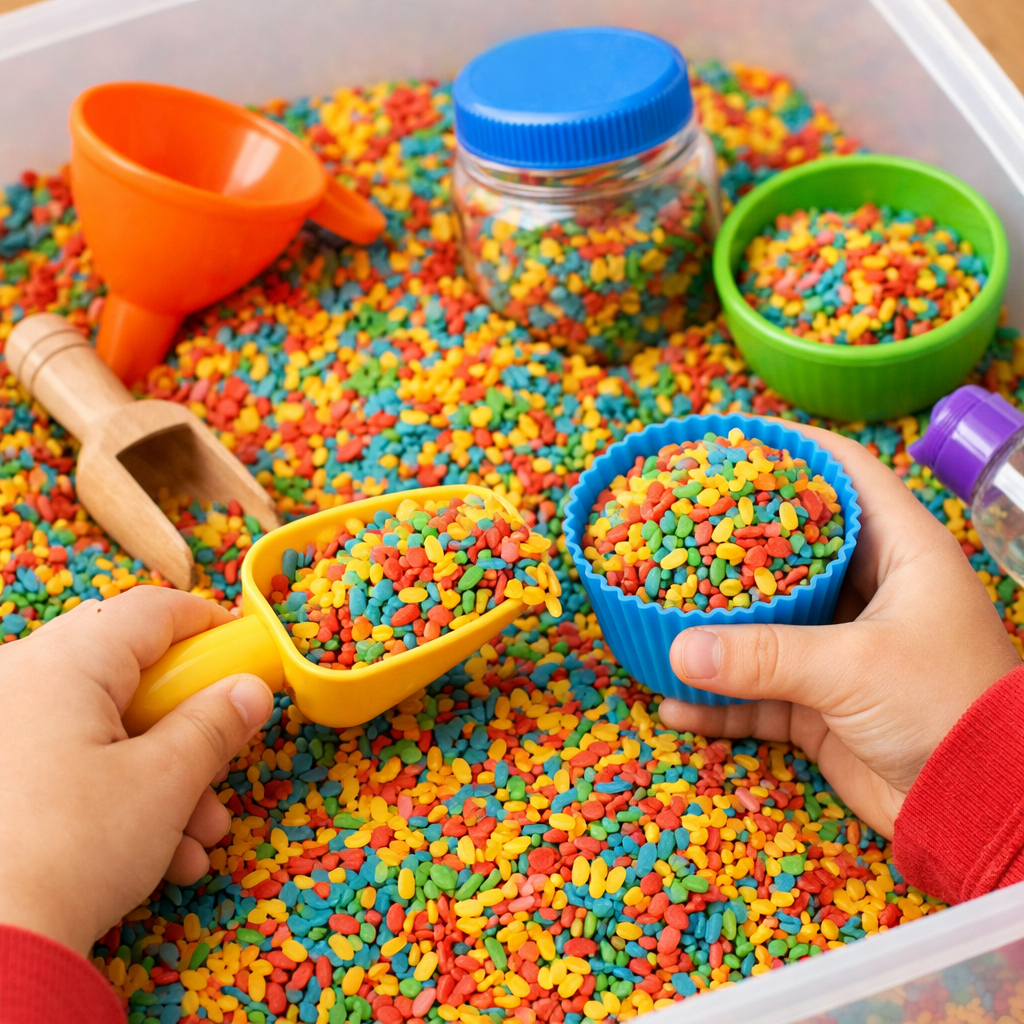
- Scooping and pouring rice or beans
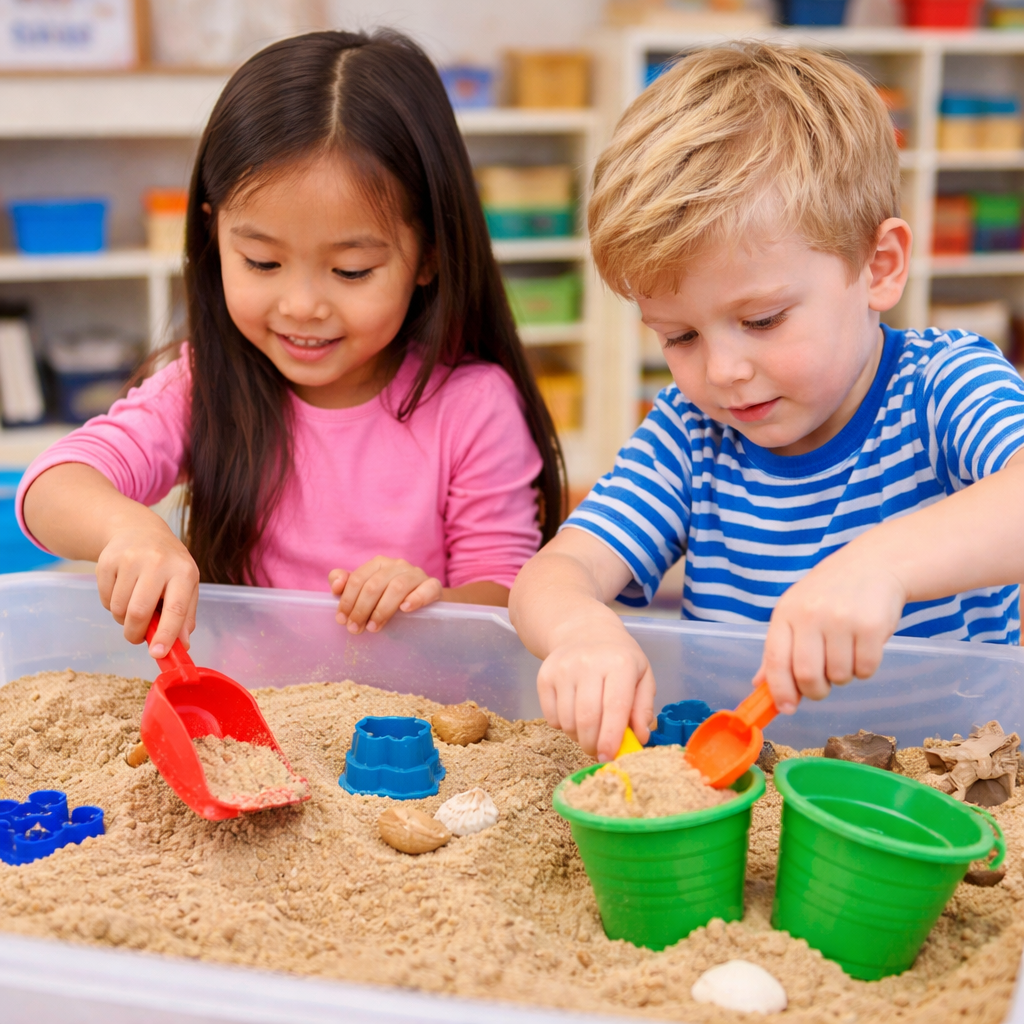
- Playing with water or sand
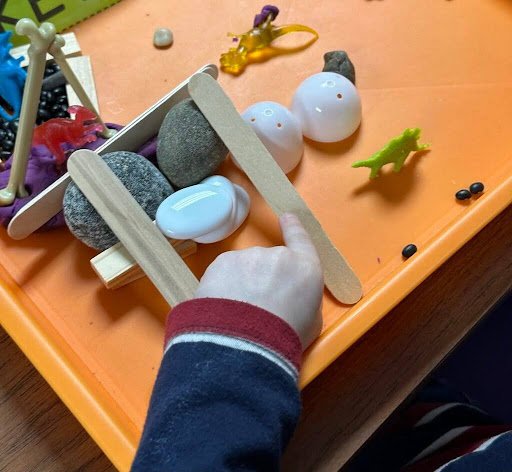
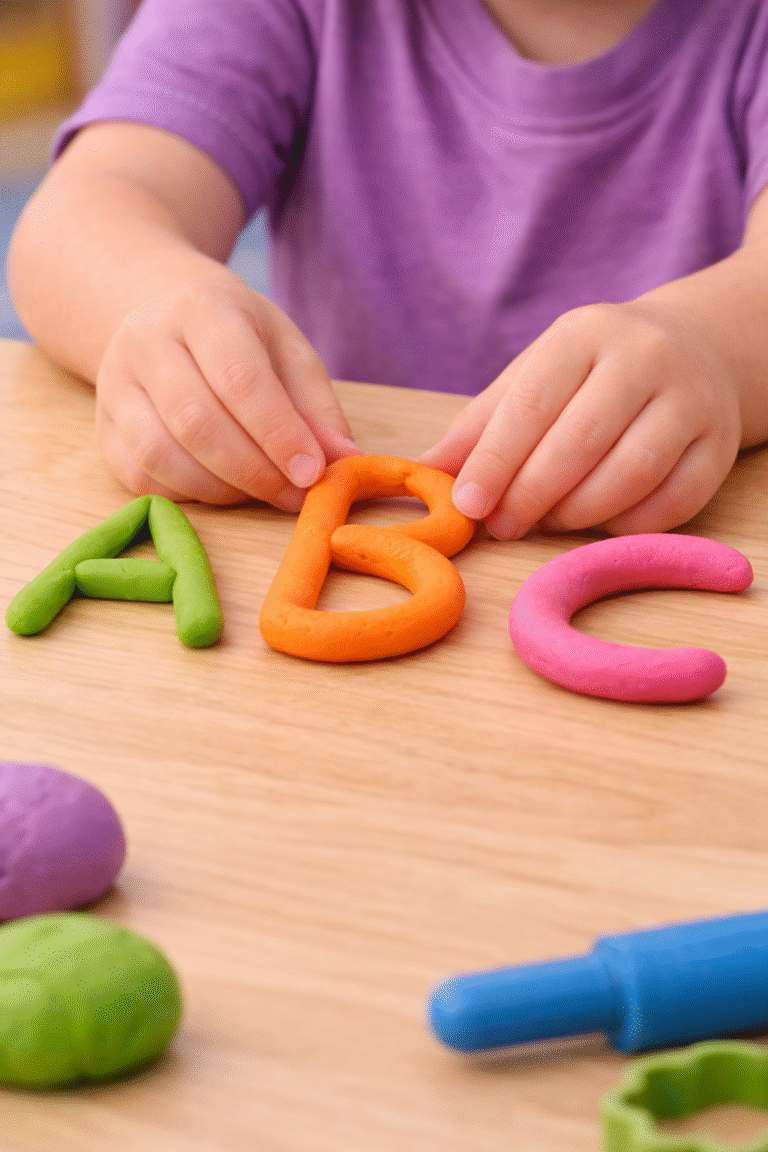
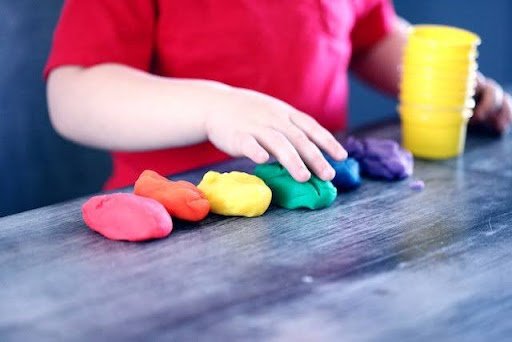
- Exploring playdough or slime
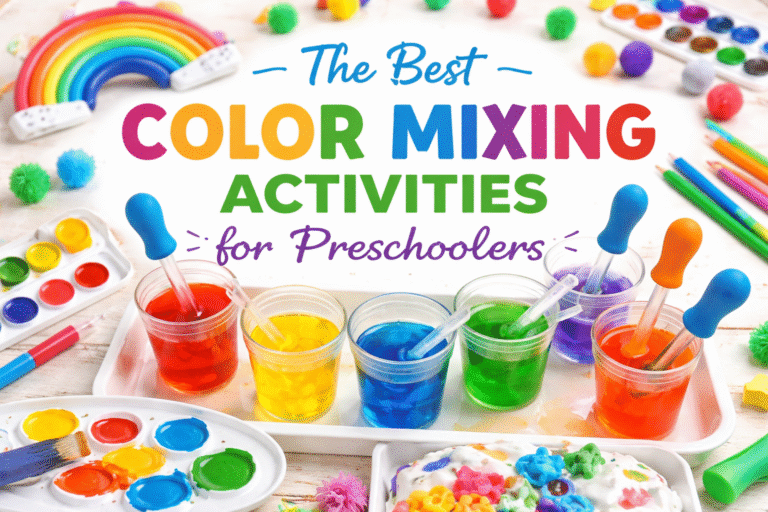
- Mixing colors or materials
It’s hands-on, interactive, and driven by curiosity. There’s no “right” way to do it—and that’s exactly why children love it!
Why Do Preschoolers Love Sensory Play?
Sensory play meets children exactly where they are.
It gives them the freedom to explore, create, and discover without pressure.
Here’s why it’s such a favorite:
- It feels good – Children love different textures like soft, squishy, or grainy
- It’s open-ended – There’s no right or wrong way to play
- It encourages independence – Kids can explore at their own pace
- It’s naturally calming – Many sensory activities help children regulate their emotions
Children will often stay at a sensory activity longer than many other types of play. That kind of focus is something to encourage.
The Benefits of Sensory Play for Preschoolers
Sensory play is more than just fun—it supports so many areas of development.
Through sensory play, children build:
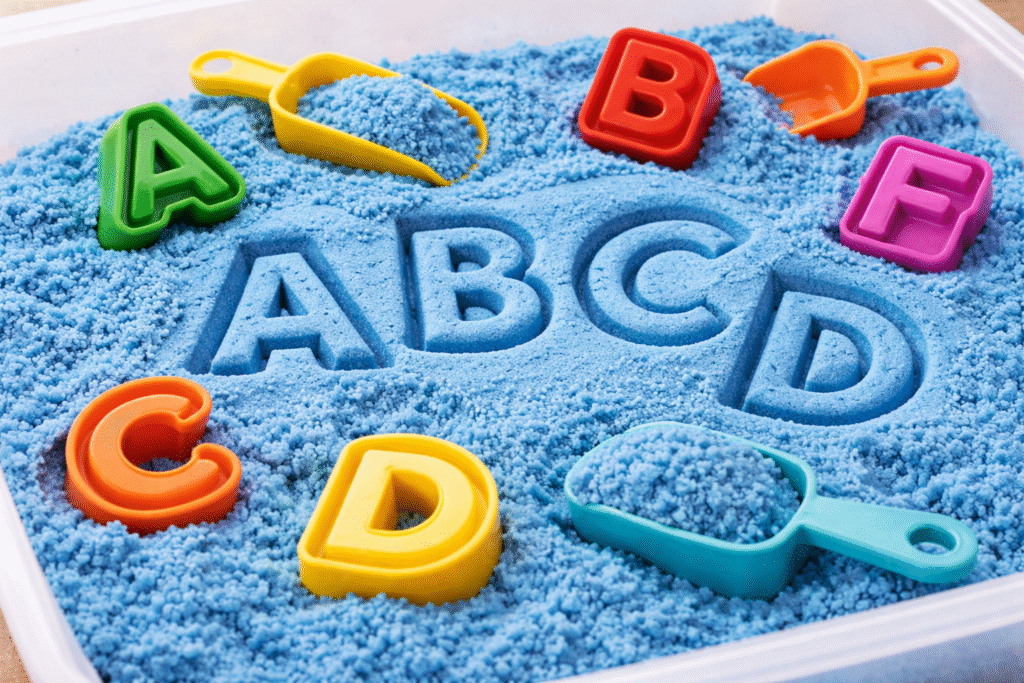
- Fine motor skills (scooping, pouring, pinching)
- Language skills (describing textures, actions, and ideas)
- Focus and attention
- Creativity and imagination
- Early math and problem-solving skills
- Emotional regulation and calming strategies
It’s one of those rare activities that supports the whole child in a very natural way.
Sensory Play Can Look Different for Every Child
One of the best things about sensory play is how flexible it is.
Some children love messy, hands-on experiences like water or mud.
Others prefer quieter, less messy activities like dry rice or small object play.
Some sensory play is completely open-ended, while other activities include a simple goal or focus.
All of these approaches are valuable.
The key is finding what works best for your child or your classroom—and starting there.
Getting Started Is Easier Than You Think
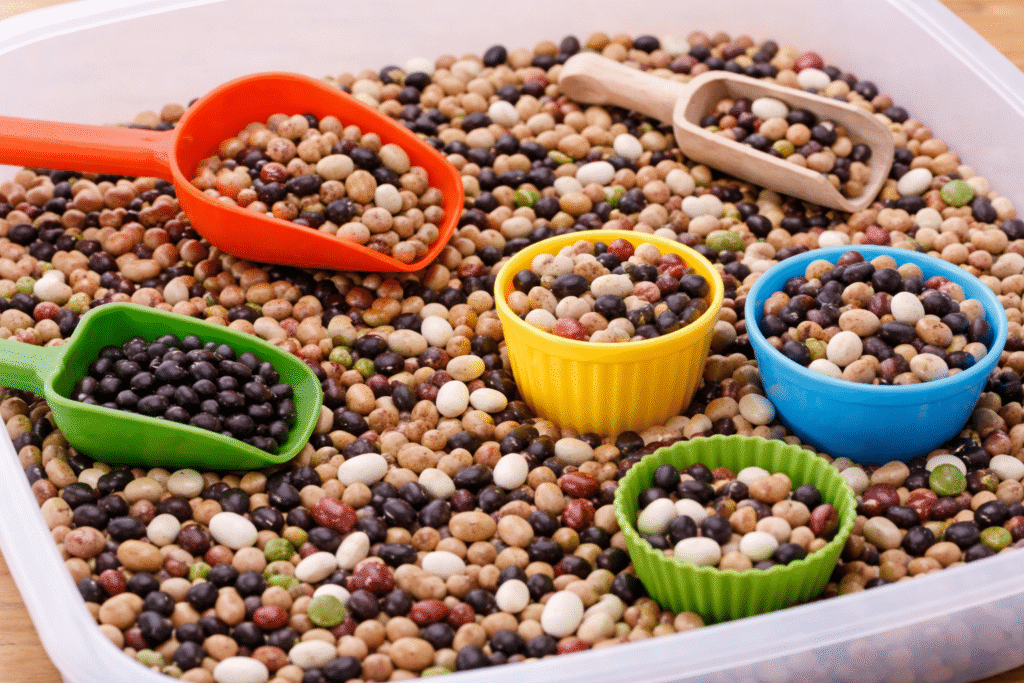
You don’t need fancy materials or a complicated setup to begin.
In fact, the simplest activities are often the most engaging.
Try this:
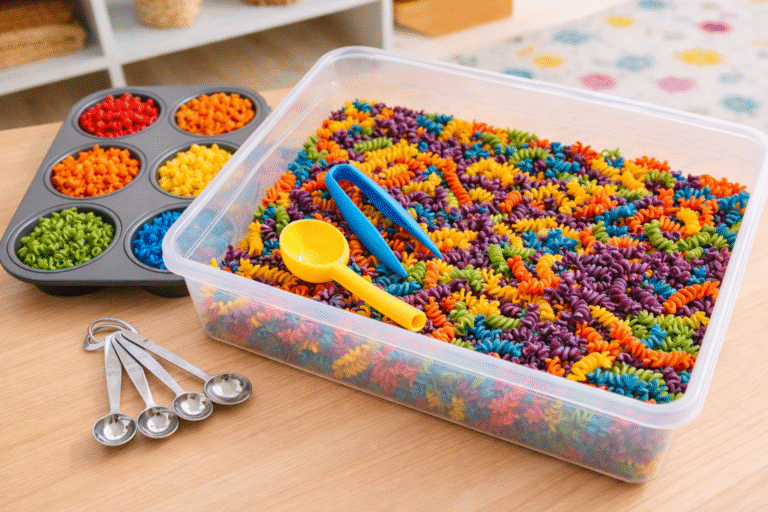
- Fill a container with rice (or beans, pasta, or oats)
- Add a few cups or spoons
- Let your child explore
That’s it.
You can always add more ideas, themes, or learning elements later—but simple is a great place to start.
Want to Try Sensory Play at Home or in the Classroom?
If you’re ready to get started, there are so many simple ways to begin.
You might explore:
- Easy sensory bin ideas you can set up in minutes
- Low-mess sensory play options for hesitant beginners
- Favorite classroom sensory activities that children return to again and again
Start small, keep it simple, and build from there.
Start Simple and Follow Your Child’s Lead
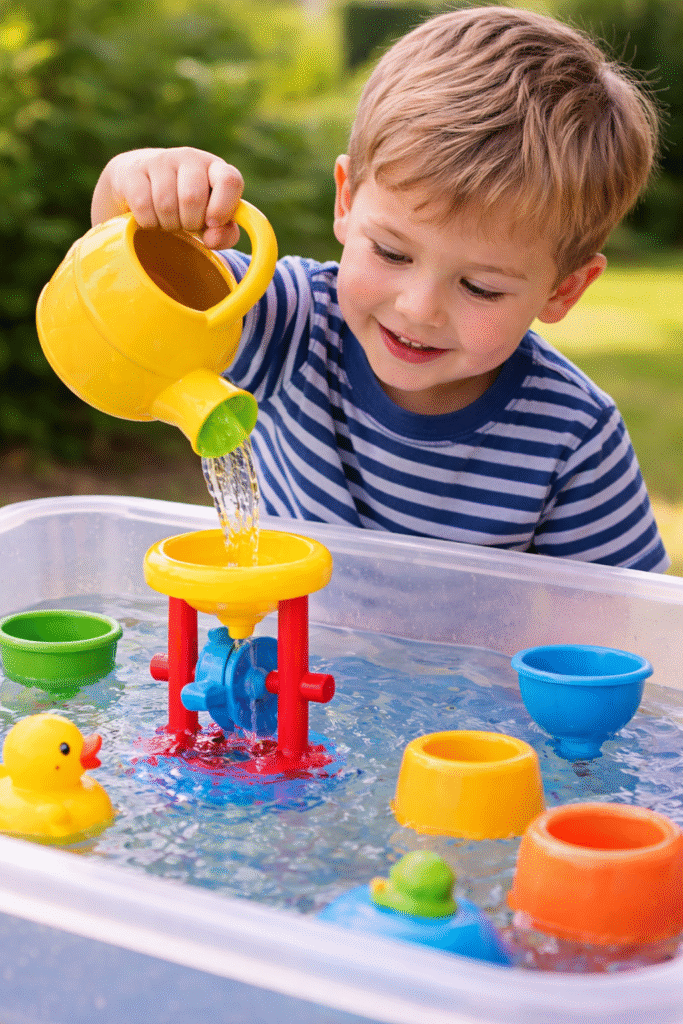
Sensory play doesn’t have to be perfect to be meaningful.
You don’t need a themed setup or a picture-perfect activity.
All you need is an invitation to explore.
Start with one simple idea, watch how your child engages, and let that guide what you try next.
Because when children are given the chance to explore with their senses, they’re not just playing…
They’re learning, growing, and discovering the world around them. Give it a try!