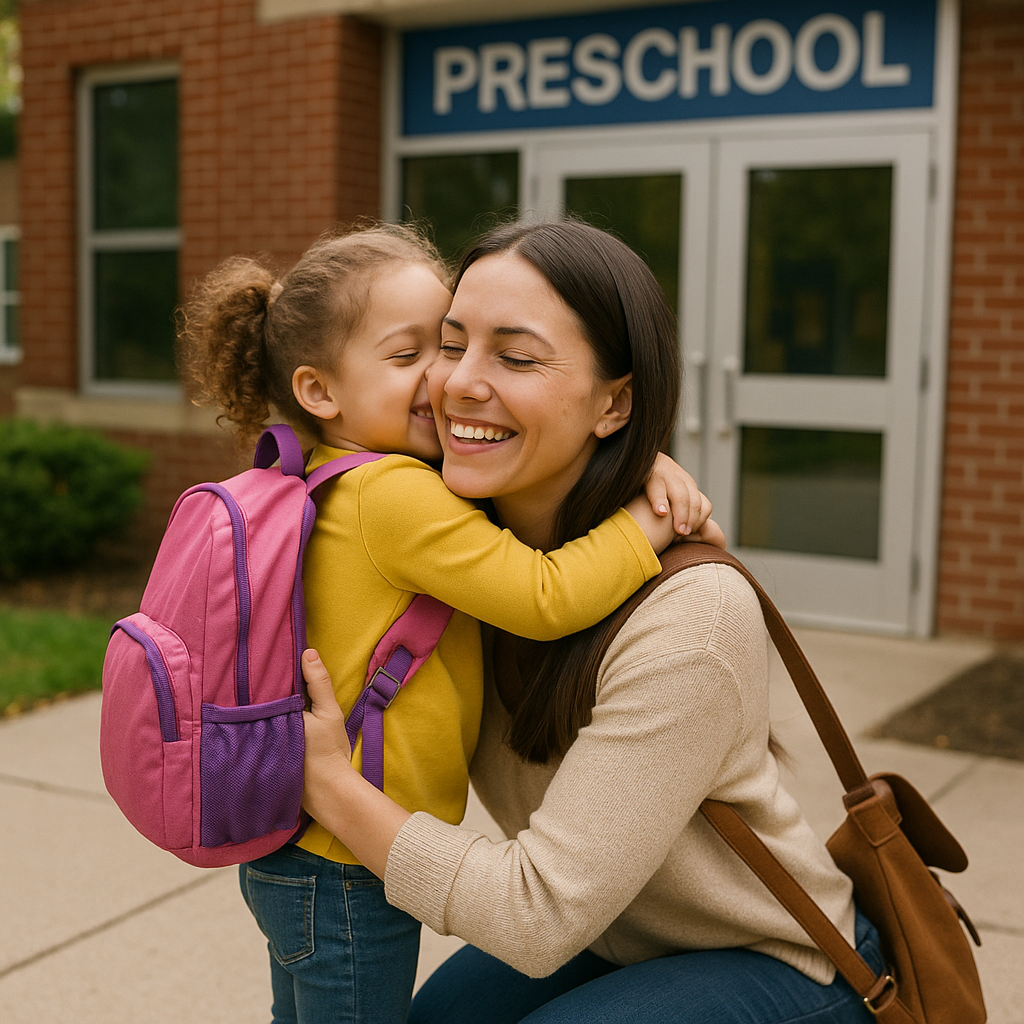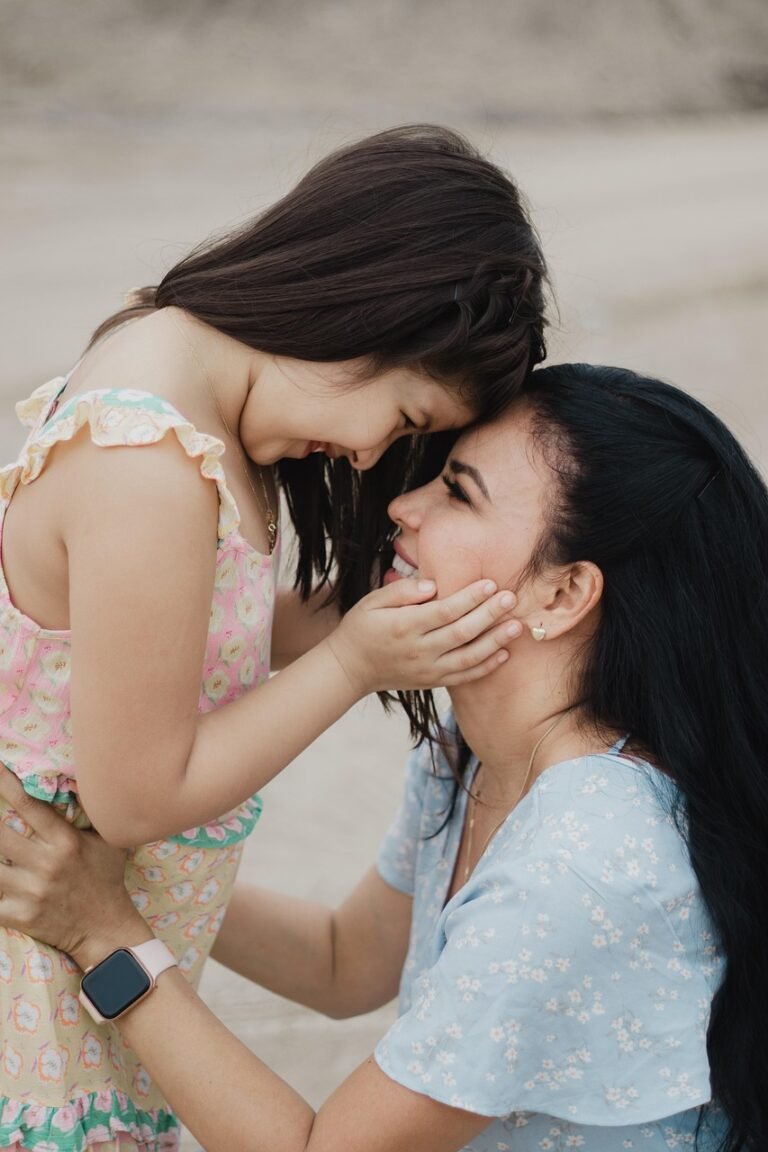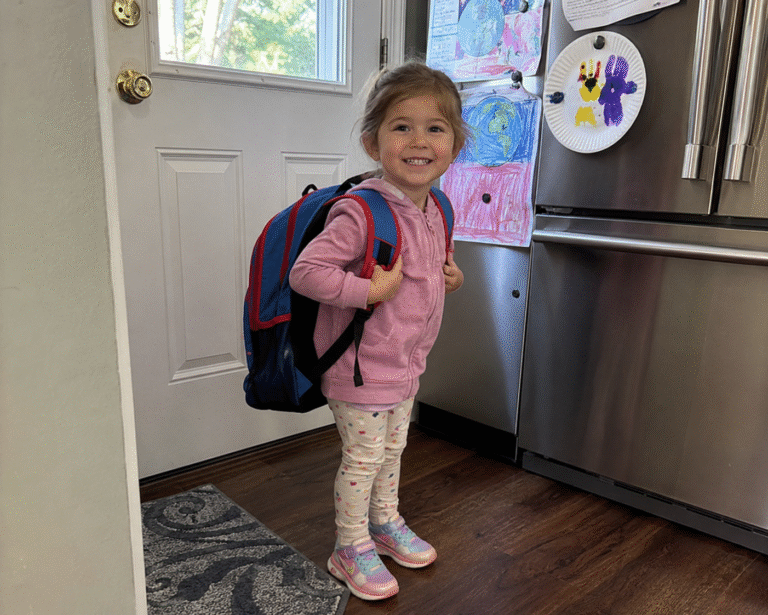
The first day of preschool is exciting but often emotional—for both parents and children. It’s tempting to linger, sneak in another hug, or respond when your child calls out for you. But one of the best preschool drop-off tips is this: say a loving goodbye and leave promptly.
In 20+ years of preschool and Kindergarten classrooms, I’ve watched hundreds of drop-offs, and I can tell you almost every single one follows the same pattern: tears at the door, and a completely different kid within minutes. I remember one little one who came in with her mom, smiling every morning. As soon as Mom tried to say goodbye, the little one would insist on one more hug, then want to be picked up. Mom would comply, then gently repeat that she had to go — and the little one would need a spin, or one more story. The longer it went on, the more insistent she became, until the tears spilled over. Finally, Mom would leave, and we (the teachers) would help her find a friend and an activity she loved. Within minutes, she’d wipe her tears, smile, and that was the end of it. A quick photo and text to Mom gave her peace of mind for the rest of the morning. Eventually, when Mom tried the technique in this post, the crying and carrying on stopped completely — drop-off became a pleasant, quick moment for both of them. That’s not the exception. That’s what happens because of a quick, confident goodbye.
It may feel tough in the moment, but this simple routine reduces separation anxiety, builds trust, and helps your child settle into their day faster. Let’s explore why short goodbyes are better for both you and your preschooler, and how to create a fun goodbye routine that works.
Why Leaving Quickly is Best for Your Preschooler
1. Builds Trust and Predictability
Children do best when they know what to expect. A short, consistent goodbye signals that school is safe and that you’ll always come back. Lingering or changing the routine creates uncertainty, which can make separation harder.
2. Boosts Confidence and Independence
When you leave with confidence, your child feels capable. Your actions say, “I believe in you.” That belief helps your child transition to new experiences with less fear.
3. Prevents Extended Separation Anxiety
Prolonged goodbyes often escalate crying or clinging. A quick farewell allows your child to shift from sadness to classroom activities and playtime more quickly.
4. Encourages Teacher Bonding
Teachers are experts at helping kids feel safe and welcome. Your prompt departure gives them space to step in and build a trusting relationship with your child.
Why It’s Better for Parents, Too
1. Stops the Emotional Spiral – Lingering can be just as hard on you as on your child. A short, predictable goodbye lets you walk away knowing you’ve done what’s best.
2. Models Healthy Separation – Your child looks to you for cues. When you calmly say goodbye, you show that it’s okay to leave and that your child is in a safe, happy place.
3. You’re Still Showing Love—Just Differently – A confident exit isn’t cold; it’s a sign that you trust your child’s ability to adjust and thrive.
Create a Fun and Consistent Goodbye Routine
A goodbye ritual gives structure and security. It could be as simple as:
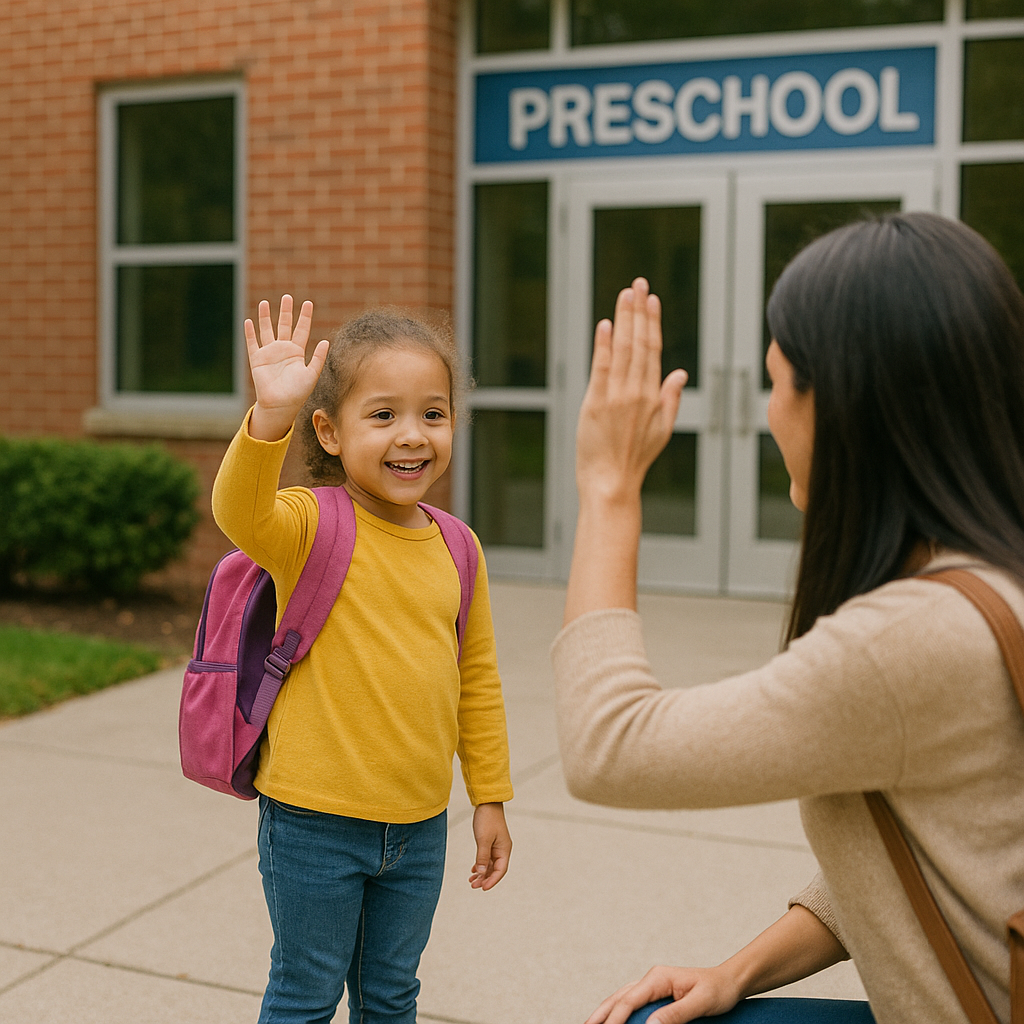
- A “hug, kiss, high-five” combo
- A special goodbye handshake
- A short phrase: “I can’t wait to hear all about your day!”
What to Do If Your Child Cries or Calls You Back
This is tough, but don’t go back after the final goodbye. If you return, your child learns that the routine is flexible, which can prolong their upset. Instead, stay loving but firm:
“We did our goodbye routine. I love you and I’ll see you after story time!”
Then turn and leave with confidence. Most children settle within minutes once they’re with their teacher and engaged in activities.
The First Goodbye is a Step Toward Independence
Preschool is all about learning, growing, and becoming more independent. By sticking to a quick, consistent goodbye, you’re helping your child develop resilience and confidence—while also making mornings smoother for everyone.
I know how hard that first goodbye feels. As parents, we have to check our own anxieties and try not to pass them on to our children. Save the tears for the car. (Says the mom who actually sobbed in the car — more than once.)
I promise: the kids who bounce back fastest are almost always the ones whose parents trusted the routine and walked away with confidence.
If you’re heading into those first few weeks and want a little more support, grab your free activity here to keep exploring with your little one this summer. And if you’re still figuring out what else to prep before the first day, take a look at Get Preschool Ready: Skills to Practice at Home.